Bed Bug Treatment in the Bronx: Cost, DIY Options, and What to Expect
If you've found bites, blood spots on your sheets, or an actual bug, the questions that follow are usually the same. What does treatment cost. Can you handle it yourself first. And if you call a professional, what actually happens. The honest answer is that cost depends on the size of the space and how far the infestation has spread, most over the counter methods only kill the bugs they directly touch, and a professional visit in the Bronx typically starts with an inspection before any product goes down.
Bronx housing adds its own wrinkles. A lot of the building stock here is prewar walk-ups and multi-family homes with shared walls, which means bed bugs can move between units through outlets, baseboards, and shared plumbing lines without ever crossing a hallway. That changes how a treatment plan needs to be scoped, and it's part of why a DIY spray in one bedroom often doesn't solve the problem for long.
Quick Answer
Bed bug treatment cost in NYC depends on the size of the unit, how many rooms are affected, and how established the infestation is, so there isn't one flat number that applies to every home. Most single apartments are resolved in one professional visit when the technician can access every hiding spot, though heavier infestations or buildings with cross-unit spread sometimes need a follow-up. DIY products like foggers, sprays, and rubbing alcohol can kill bugs they make direct contact with, but they rarely reach eggs tucked into baseboards, furniture seams, or wall voids, which is the main reason infestations come back after a store-bought attempt. The most reliable way to get an exact number is a free bed bug inspection, since pricing is tied to what the technician actually finds on site.
DIY vs Professional Treatment at a Glance
| Method | Reaches hidden bugs and eggs | Typical result | Best used as |
|---|---|---|---|
| Bug bombs / foggers | No | Often scatters bugs into walls and neighboring rooms | Not recommended alone |
| Rubbing alcohol | Only on direct contact | Temporary, high fire risk | Spot treatment at most |
| Diatomaceous earth | Slow, surface only | Works over weeks, not days | Supplemental barrier |
| Mattress and box spring encasements | Traps bugs already inside, blocks new entry | Prevents spread, doesn't eliminate an active infestation | Prevention and containment |
| Professional chemical-safe treatment | Yes, when applied to every infestation point | Most homes resolved in one visit | Full elimination |
Can You Get Rid of Bed Bugs Yourself?
It depends on how early you catch it and how disciplined you are about covering every hiding spot, and for most established infestations the honest answer is no, not completely.
Bug bombs and foggers. These release insecticide into open air, which means they only kill bugs that are out in the open when the fogger goes off. Bed bugs spend most of the day hidden inside seams, cracks, and wall voids, so a fogger typically misses the majority of the population. Worse, the disturbance can push surviving bugs into neighboring rooms or, in a multi-unit building, into a neighbor's apartment through shared walls.
Rubbing alcohol. Alcohol kills bed bugs on contact, but only the ones it actually touches, and it does nothing for eggs or bugs hiding a few inches away. It's also flammable and not something to spray liberally around a mattress or near any heat source. As a spot treatment on a single bug you can see, it can work. As a strategy for an infestation, it isn't one.
Diatomaceous earth. Food-grade diatomaceous earth works by damaging the bed bug's exoskeleton, which dehydrates and eventually kills it, but that process takes days to weeks rather than hours. It also only works where it's applied, so it functions better as a supplemental barrier around baseboards and bed frames than as a standalone fix for an active infestation.
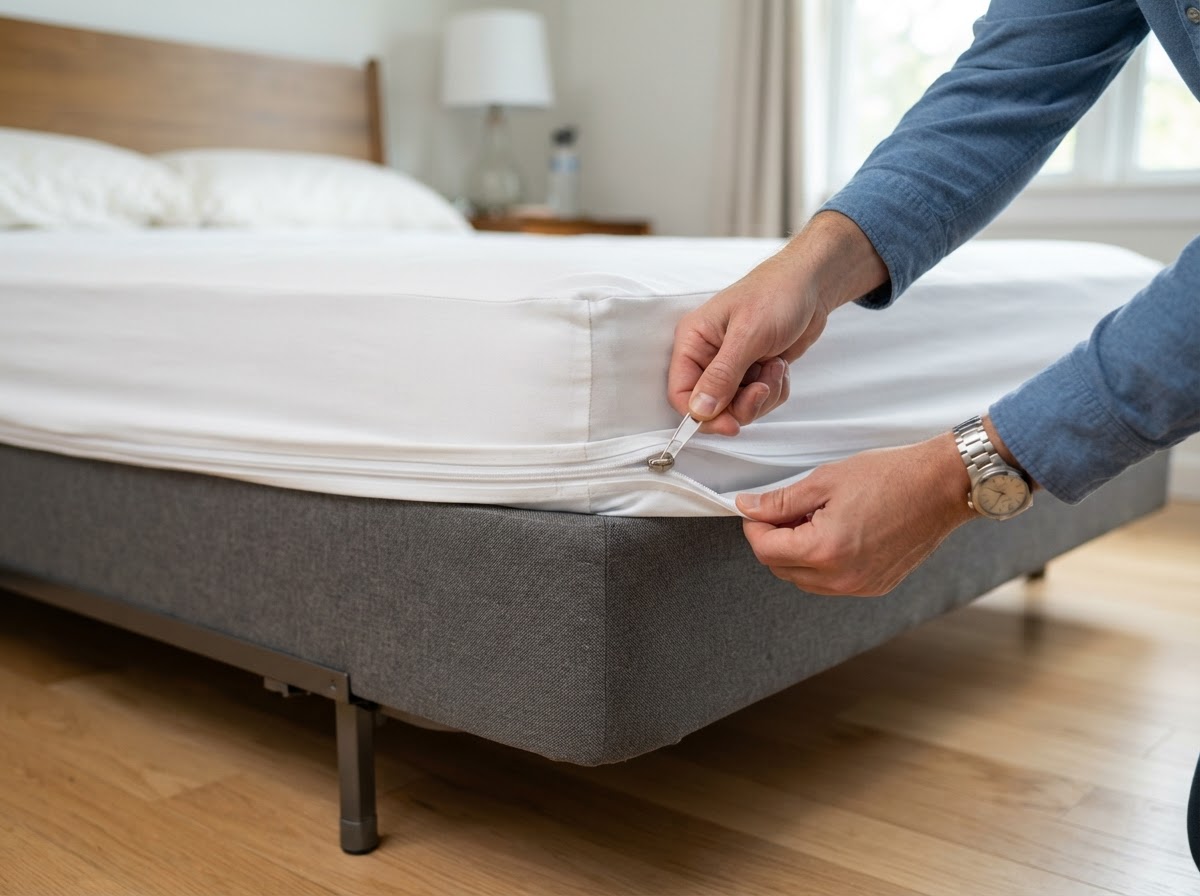
Mattress and box spring encasements. These are genuinely useful, just not as a cure on their own. A quality encasement traps any bugs already inside the mattress or box spring so they eventually die without a new blood source, and it blocks new bugs from getting in. Encasements are a smart addition to a treatment plan and a smart prevention tool afterward, but they don't treat the rest of the room.
The pattern across all four methods is the same. They can reduce what you're dealing with, but none of them reliably reach every hiding spot the way a full inspection and targeted treatment does, which is why infestations that look "handled" after a DIY attempt often resurface a few weeks later.
Need Help With Bed Bugs in the Bronx?
If you've already tried a spray or a fogger and you're still seeing bites, that's a common point where people call for a professional inspection instead of trying a second round of the same approach. Rye Pest Solutions offers same-week appointments across the Bronx using EPA-registered, chemical-safe products.
Chemical-Free and Chemical-Safe Treatment Options
Two approaches dominate professional bed bug treatment: heat and chemical-safe application.
Heat treatment raises the temperature of a room high enough to kill bed bugs at every life stage, including eggs, without leaving any chemical residue behind. It requires specialized equipment and tight temperature control across the whole space, which is why it tends to cost more and isn't offered by every pest control company.
Chemical-safe treatment uses EPA-registered products applied directly to the infestation sites, meaning mattress seams, box springs, baseboards, and furniture joints, rather than broadcast spraying an entire room. This is the approach Rye Pest Solutions uses on Bronx bed bug jobs. It's tough on the infestation while being formulated to be safe for family and pets once the treatment has been applied and dried according to instructions, and most homes are resolved in a single visit. For post-infestation cleanup, our disinfecting services can help restore a clean, sanitary space.
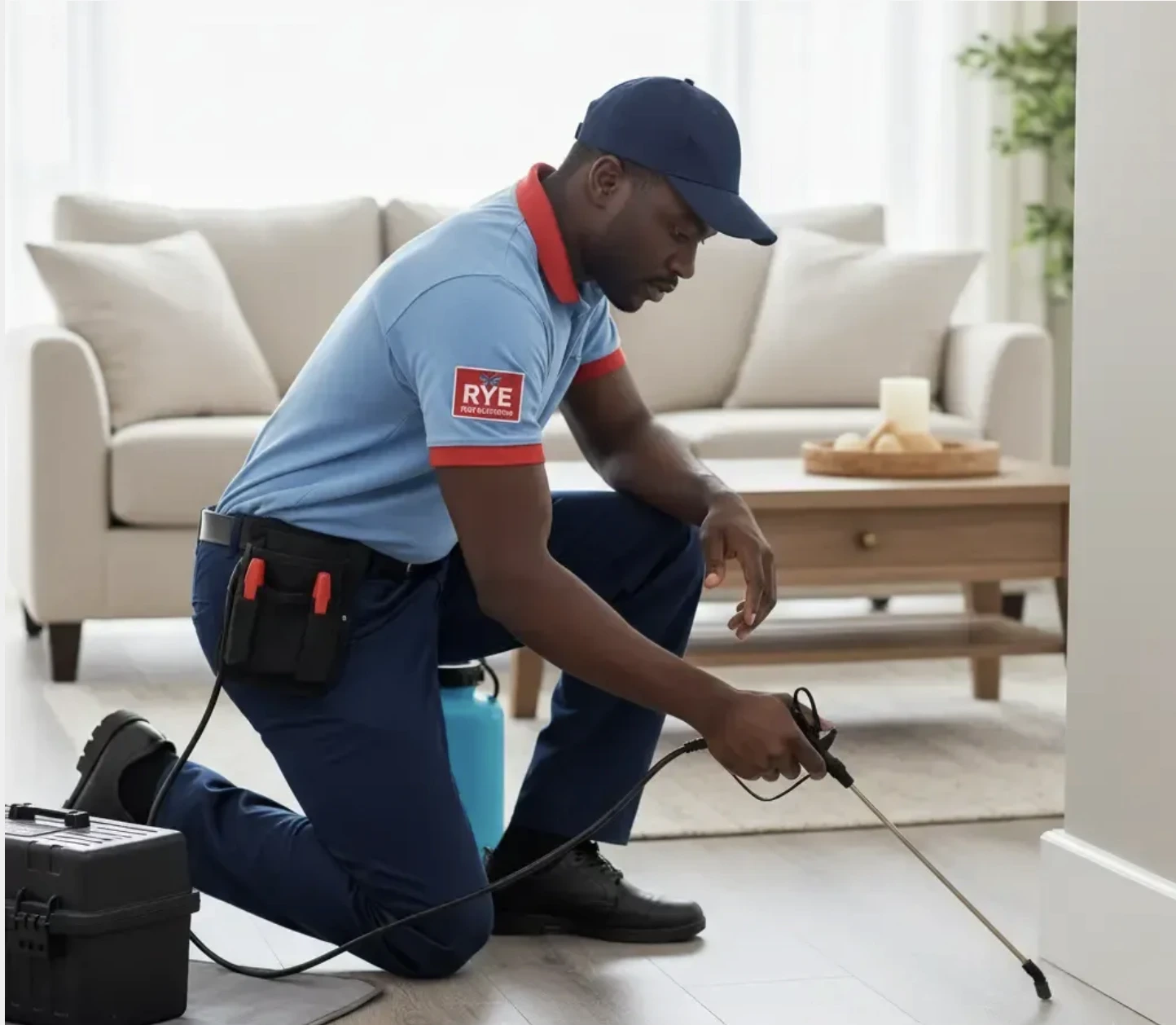
Neither approach is inherently better in every situation. Heat can be useful for severe, long-established infestations across a large space. Targeted chemical-safe treatment tends to be faster to schedule, doesn't require specialized heat equipment, and works well for the apartment-by-apartment scale most Bronx bed bug calls involve.
What Bronx Renters and Homeowners Should Know

Bronx housing stock skews toward prewar buildings, walk-ups, and multi-family homes, and that shapes how bed bugs behave and how treatment needs to be planned. Our Bronx pest control services are built around exactly these conditions.
Shared walls matter more here than in a detached house. Bed bugs can travel between adjacent units through electrical outlets, baseboard gaps, and shared pipe chases, which means an infestation in one apartment can have started next door. If you live in a multi-unit building, it's worth asking your building management whether neighboring units have been treated, since retreating your own apartment while an adjacent one stays infested is one of the most common reasons bugs come back. Property managers dealing with building-wide issues can learn more about our apartment complex pest control.
Walk-up buildings without elevators change the prep logistics too. Moving mattresses, dressers, and bagged clothing down several flights of stairs takes more planning than it does in a building with elevator access, so it helps to have a clear path and any hallway restrictions sorted out before your appointment.
Radiator heat, common in older Bronx buildings, doesn't get anywhere near the temperature needed to kill bed bugs on its own, so don't count on winter heating to solve an infestation. And if you're in a co-op, condo, or building with a management company, many require documentation of pest treatment, which a licensed provider can typically supply after service.
How Much Does Bed Bug Treatment Cost in NYC?
There's no single number that applies to every home, because the cost of bed bug treatment is driven by a handful of variables rather than a flat rate.
The size of the space is the biggest factor. A one-bedroom apartment with an infestation confined to the bedroom costs less to treat than a full house or a unit where bugs have spread into multiple rooms. How established the infestation is matters too. A problem caught early, with a small population confined to one bed, generally requires less time and product than an infestation that's had weeks to spread into furniture, baseboards, and closets. The number of visits needed also affects total cost. Most single apartments are resolved in one visit, but heavier infestations or cases involving shared walls in a multi-unit building sometimes call for a follow-up to fully clear the problem.
Because of these variables, the only way to get an accurate number is a free, no-obligation inspection where a technician can actually assess the space. Schedule your free inspection and you'll get pricing based on what's actually in your home, not a generic estimate.
Is Bed Bug Treatment Worth It?
Weighed against the cost of DIY products that don't fully solve the problem, plus the time lost to a lingering infestation, most people find professional treatment worth the cost once they've already tried a spray or fogger without success. The math tends to shift once you factor in that an unresolved infestation can spread into more rooms, more furniture, and in a multi-unit building, into neighboring apartments, all of which raise the eventual cost of fixing it. A single professional visit that fully resolves the problem is often less expensive in total than repeated DIY attempts followed by a professional call anyway.
Ready to stop guessing and get a real answer? Book a free bed bug inspection with Rye Pest Solutions, or call (347) 260-4681 to get a technician out this week.
How to Prepare for Bed Bug Treatment
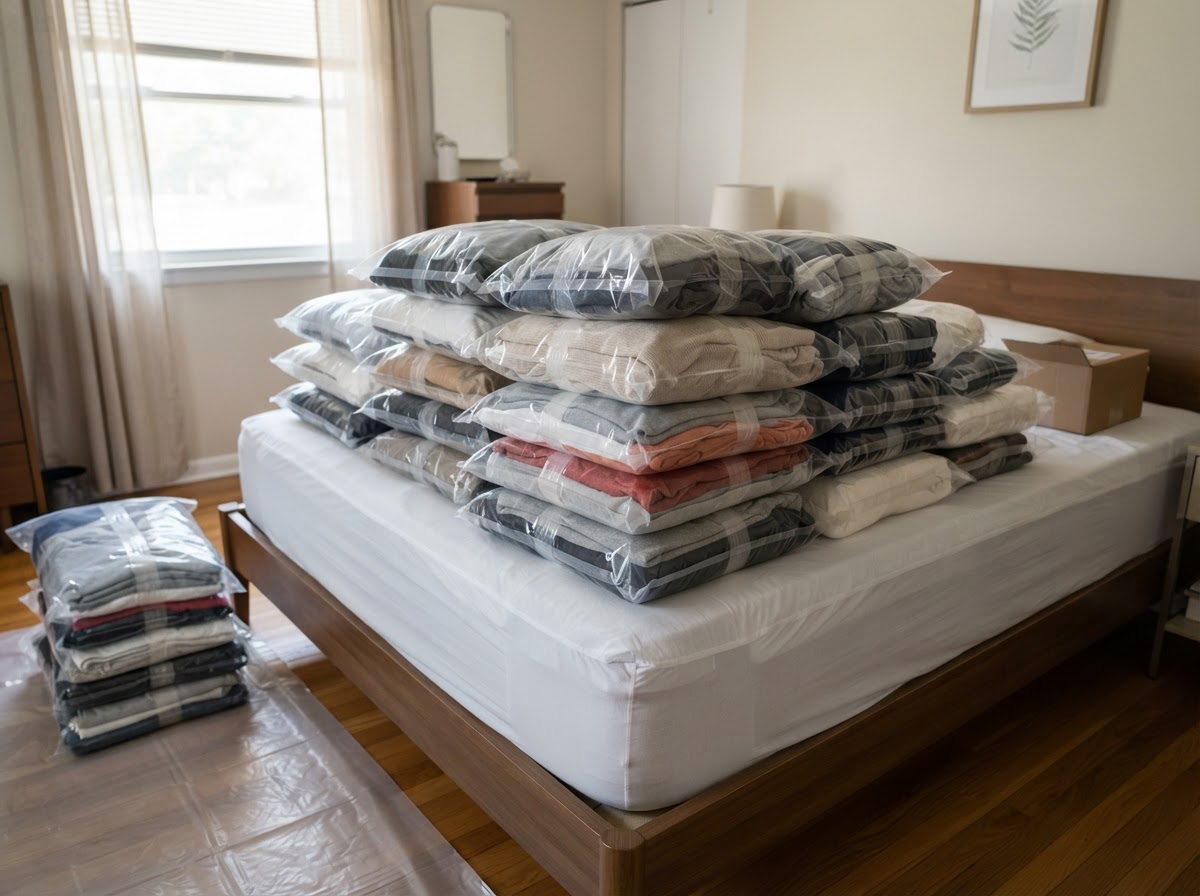
Preparation makes a real difference in whether a single visit is enough. Start by washing and drying all bedding, clothing, and washable fabric from the affected room on the hottest setting the fabric allows, since heat from the dryer is what kills bed bugs and eggs in fabric, not the wash cycle alone. Once items are clean, bag them in sealed plastic bags rather than leaving them out, and don't move anything to another room in the process, since that's one of the most common ways an infestation spreads to a previously clean space. Pull furniture a few inches away from the walls so the technician can access baseboards and outlets, and vacuum the mattress, box spring, and surrounding floor thoroughly, sealing the vacuum bag or emptying the canister into an outdoor trash bin immediately afterward. Clear clutter from the floor and closet so every hiding spot is reachable. If you're in a walk-up, plan your building's stairwell access ahead of the appointment so bagged items and any furniture that needs to be moved aren't held up on treatment day.
For more on what to expect before and after a visit, see our frequently asked bed bug questions.
What to Do After Bed Bug Treatment
Once treatment is complete, leave surfaces alone long enough for the product to dry according to your technician's instructions rather than wiping it down right away, since doing so can reduce its effectiveness. Keep mattress and box spring encasements on for the full period recommended, since any bugs trapped inside need time to die off without a blood source. Continue laundering any remaining fabric items on high heat over the following days if you find anything you missed during prep. Watch for new bites or activity over the next couple of weeks. Rye Pest Solutions includes a 30-day follow-up check as part of its bed bug service, which is built specifically around this window, since it's the period where any missed pockets typically resurface.
Why Bed Bugs Sometimes Come Back
A follow-up infestation almost always traces back to one of a few causes. The most common in multi-unit Bronx buildings is reinfestation from an untreated neighboring apartment through shared walls. Secondhand furniture, especially mattresses, upholstered chairs, and couches picked up from outside the home, is another frequent source. Incomplete prep, such as items moved to another room instead of bagged, can carry bugs to a new area during the original treatment. And in some cases, an infestation that had already spread further than expected needs a second visit to fully clear, which is why a documented follow-up matters more than a one-time spray.
What Should You Look for When Hiring a Bed Bug Exterminator?
A few criteria separate a company that solves the problem from one that just sprays and leaves. Licensing matters first: a legitimate exterminator should be licensed by New York State and able to show it. Product transparency matters too, since a company that can tell you exactly what's being applied and why is generally more careful than one that can't. Ask how many visits their typical bed bug job takes and whether a follow-up check is included, since a single spray with no return visit leaves you guessing whether the job actually worked. Reviews from customers in your specific borough are worth more than a generic star rating, since Bronx multi-unit buildings present different challenges than a house in Westchester. And ask directly what happens if bugs return within a set period after treatment.
Rye Pest Solutions is NYS DEC licensed, MBE certified, and has earned the Best Exterminator in the Bronx award every year from 2022 through 2025. Treatments use EPA-registered, chemical-safe products, most jobs are completed in one visit, and every bed bug service includes a 30-day follow-up check.
Frequently Asked Questions
Can you get rid of bed bugs yourself?
Sometimes, if you catch a very small, early infestation and are extremely thorough about laundering, vacuuming, and treating every hiding spot. Most infestations that have progressed past a single bite or two are difficult to fully eliminate with store-bought products alone, since they don't reliably reach eggs and bugs hidden in cracks and furniture seams.
Do bed bug bombs work?
Foggers kill bugs that are out in the open at the time they go off, but bed bugs spend most of their time hidden in cracks, seams, and wall voids that a fogger doesn't penetrate. They can also scatter surviving bugs into other rooms or, in an apartment building, into neighboring units.
Does rubbing alcohol kill bed bugs?
Yes, on direct contact, but it doesn't affect eggs or bugs it doesn't touch, and it's flammable, so it isn't safe to use liberally around a mattress or near heat sources. It works as a spot treatment, not a full solution.
Is diatomaceous earth effective for bed bugs?
Food-grade diatomaceous earth can help as a supplemental barrier, but it works slowly, over days to weeks, and only where it's directly applied. It's better used alongside other prevention steps than relied on as the main treatment.
How many bed bug treatments are needed?
Most single apartments in the Bronx are resolved in one professional visit when every infestation point can be accessed and treated. Larger spaces, heavier infestations, or cases involving shared walls in a multi-unit building sometimes need a follow-up visit to fully clear the problem.
Is bed bug spray safe for pets?
Products vary, which is why it matters whether a company uses EPA-registered treatments applied by a licensed technician. Rye Pest Solutions uses EPA-registered, chemical-safe products formulated to be safe for family and pets once applied and dried according to instructions.
How do I wash clothes to kill bed bugs?
Wash on the hottest water setting the fabric allows, then dry on high heat, since the dryer's heat is what actually kills bed bugs and their eggs. Bag clean items in sealed plastic immediately afterward rather than leaving them exposed in the room.
Why did bed bugs come back after treatment?
The most common causes are reinfestation from a neighboring apartment through shared walls, secondhand furniture brought into the home, items moved to another room instead of bagged during prep, or an infestation that had spread further than the original treatment covered. A documented follow-up check helps catch this before it becomes a full second infestation.

Need Bed Bug Treatment in the Bronx?
If you're past trying to handle this on your own, Rye Pest Solutions offers same-week bed bug inspections across the Bronx and the rest of New York City, with EPA-registered chemical-safe treatment, most jobs completed in a single visit, and a 30-day follow-up included. Voted Best Exterminator in the Bronx 2022 through 2025.
Prefer to reach out another way? Contact Rye Pest Solutions online. Serving the Bronx, Manhattan, Brooklyn, Queens, Staten Island, and Westchester County.