
Bed Bugs
Cimex lectularius
Bed bugs are small, reddish-brown insects that feed on human blood. They hide in mattresses, furniture, and cracks around the home, and infestations can grow rapidly if left untreated.
On This Page
Jump To Section:

Danger Level: Low health risk
They do not transmit diseases but cause itchy welts and high psychological stress.

Activity: Nocturnal
Most active at night while hosts are sleeping, hiding in crevices during the day.
Appearance
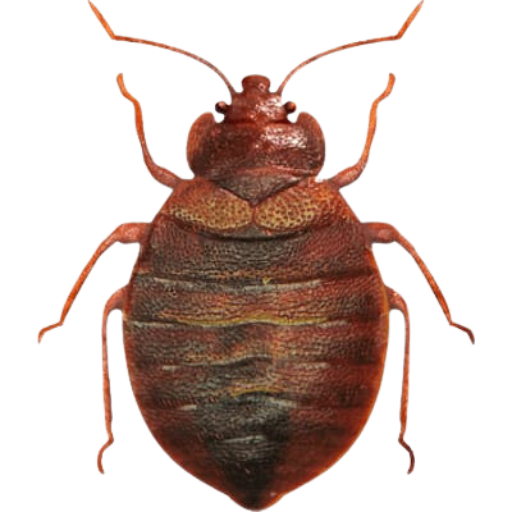
Bed bugs are oval, flat, and about 4–6 mm long (roughly the size of an apple seed). They are reddish-brown, but after feeding they swell up, turning darker and plumper.
- Size of an apple seed (4-6mm)
- Reddish-brown color
- Flat, oval-shaped bodies
- Six legs and antennae
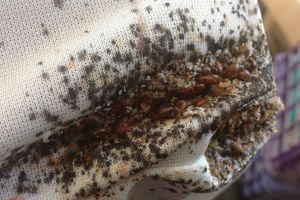
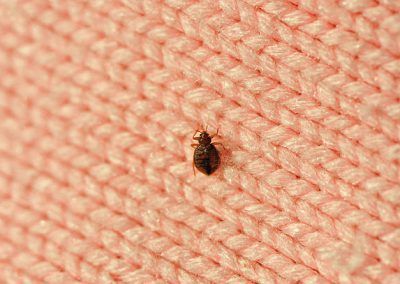
Image Gallery
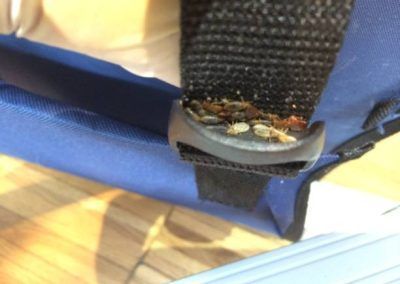
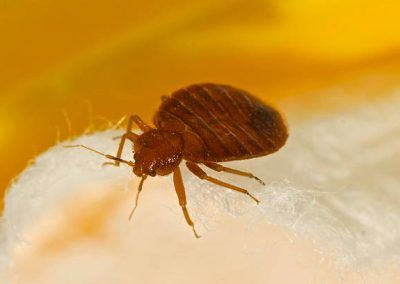
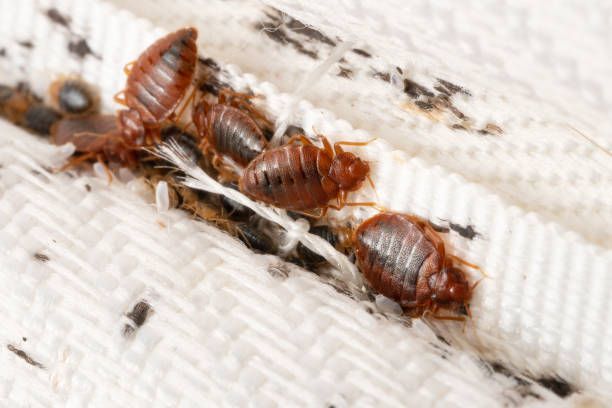
Behavior & Habitat
In New York City and Westchester, bed bugs thrive in nearly every type of living space. They prefer to stay close to their food source (you) and typically feed at night.
Common Hiding Spots
- • Mattress seams and tags
- • Box springs and bed frames
- • Cracks in headboards
- • Baseboards and wall outlets
- • Seams of couches and chairs
How They Spread
- • Hitchhiking on luggage or bags
- • Second-hand furniture
- • Shared walls in apartments
- • Public transportation
- • Visitors bringing them in
Life Cycle
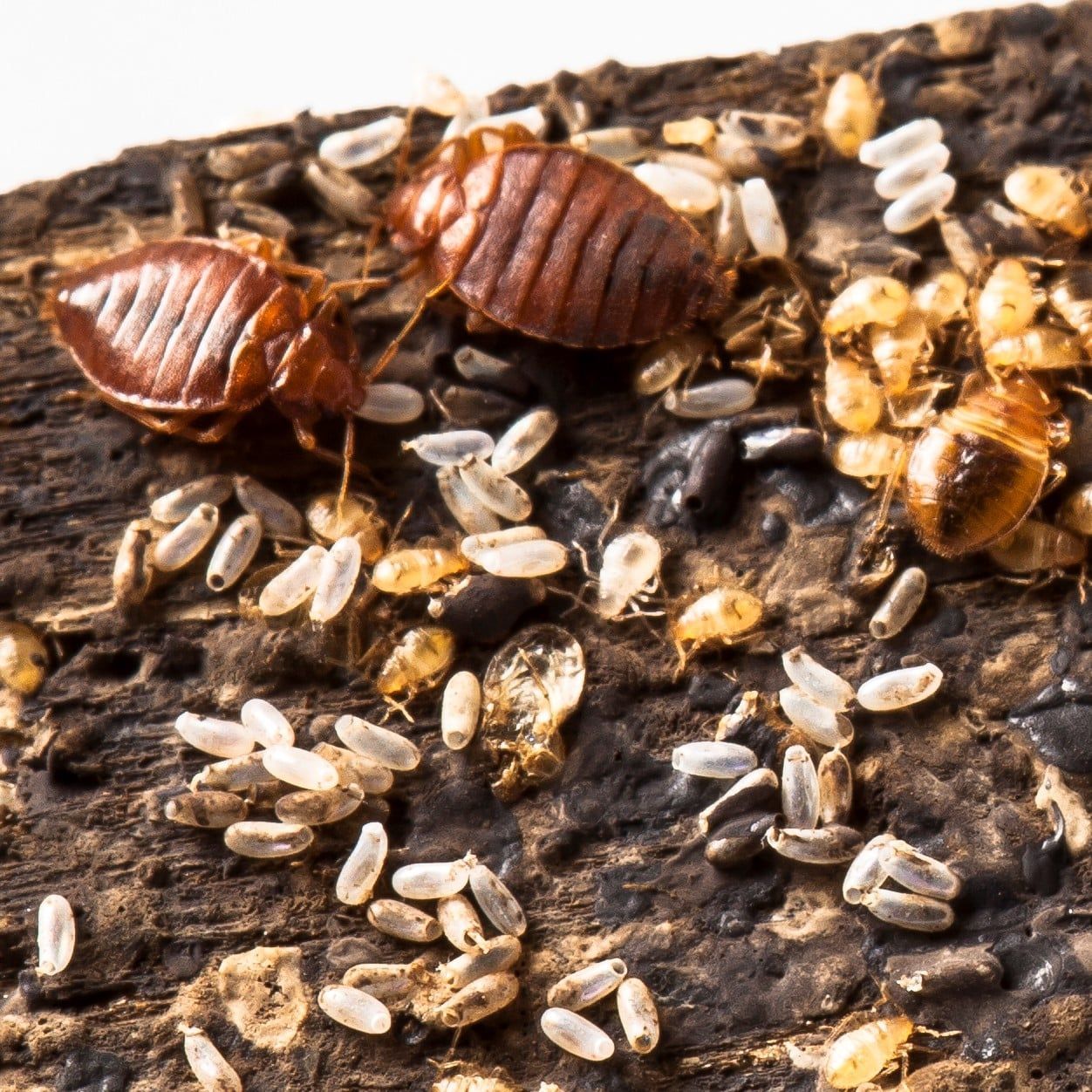
Understanding their rapid lifecycle shows why early detection and professional treatment are critical. A single female can lay hundreds of eggs in her lifetime.
1. Eggs
Females lay 1-5 eggs per day. Eggs hatch in about 6-10 days.
2. Nymphs
Nymphs shed their skin 5 times before reaching adulthood. They require a blood meal before each molt.
3. Adults
Adults can live for several months to over a year under favorable conditions and can survive months without a meal.
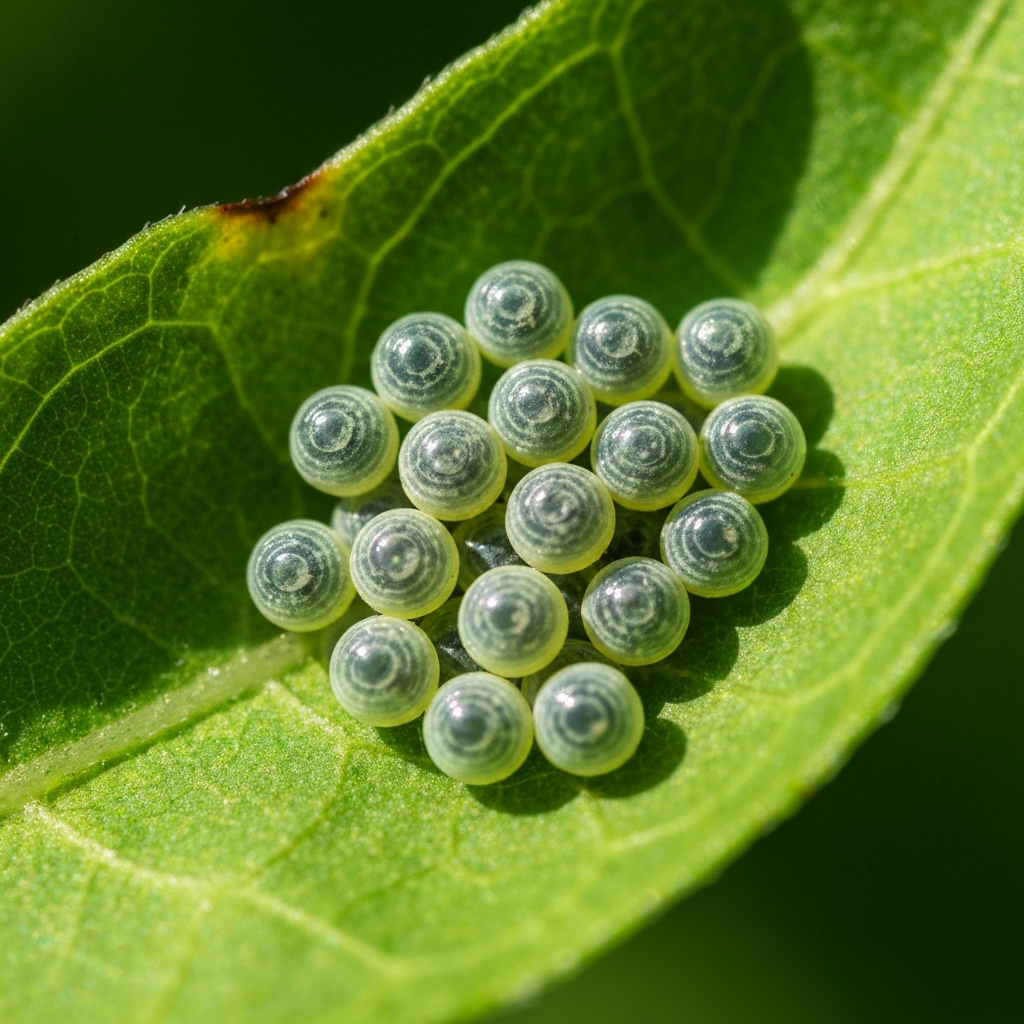
Eggs Stage
Signs of Infestation
Bite Marks
Small, red, itchy welts often in a line or zigzag pattern on exposed skin.
Blood Stains
Tiny rust-colored spots on sheets or pillowcases from crushed bugs.
Fecal Spots
Dark, pen-mark like spots on mattresses, bedding, or walls.
Shed Skins
Translucent exoskeletons left behind as nymphs grow.
Musty Odor
A sweet, musty scent often noticeable in severe infestations.
Live Bugs
Seeing live bed bugs hiding in mattress seams or crevices.
Prevention Tips
Inspect hotel beds and headboards when traveling.
Keep luggage elevated on luggage racks, never on the bed or floor.
Wash and dry all travel clothes on high heat immediately after returning home.
Thoroughly inspect all second-hand furniture before bringing it inside.
Use a protective cover that encases mattresses and box springs.
Reduce clutter in your home to minimize hiding spots.
Ready to Get Rid of Bed Bugs?
Contact Rye Pest Solutions today for a thorough inspection and effective treatment plan. Don't let the problem multiply.