
Bees
Anthophila
Bees are flying insects known for their role in pollination. While beneficial to the environment, they can pose a threat when nesting near or inside homes.
On This Page
Jump To Section:

Danger Level: Moderate to High
Stings can cause severe allergic reactions (anaphylaxis) in some individuals. Aggressive when defending their nest.

Activity: Diurnal
Most active during the day, foraging for nectar and pollen.
Appearance
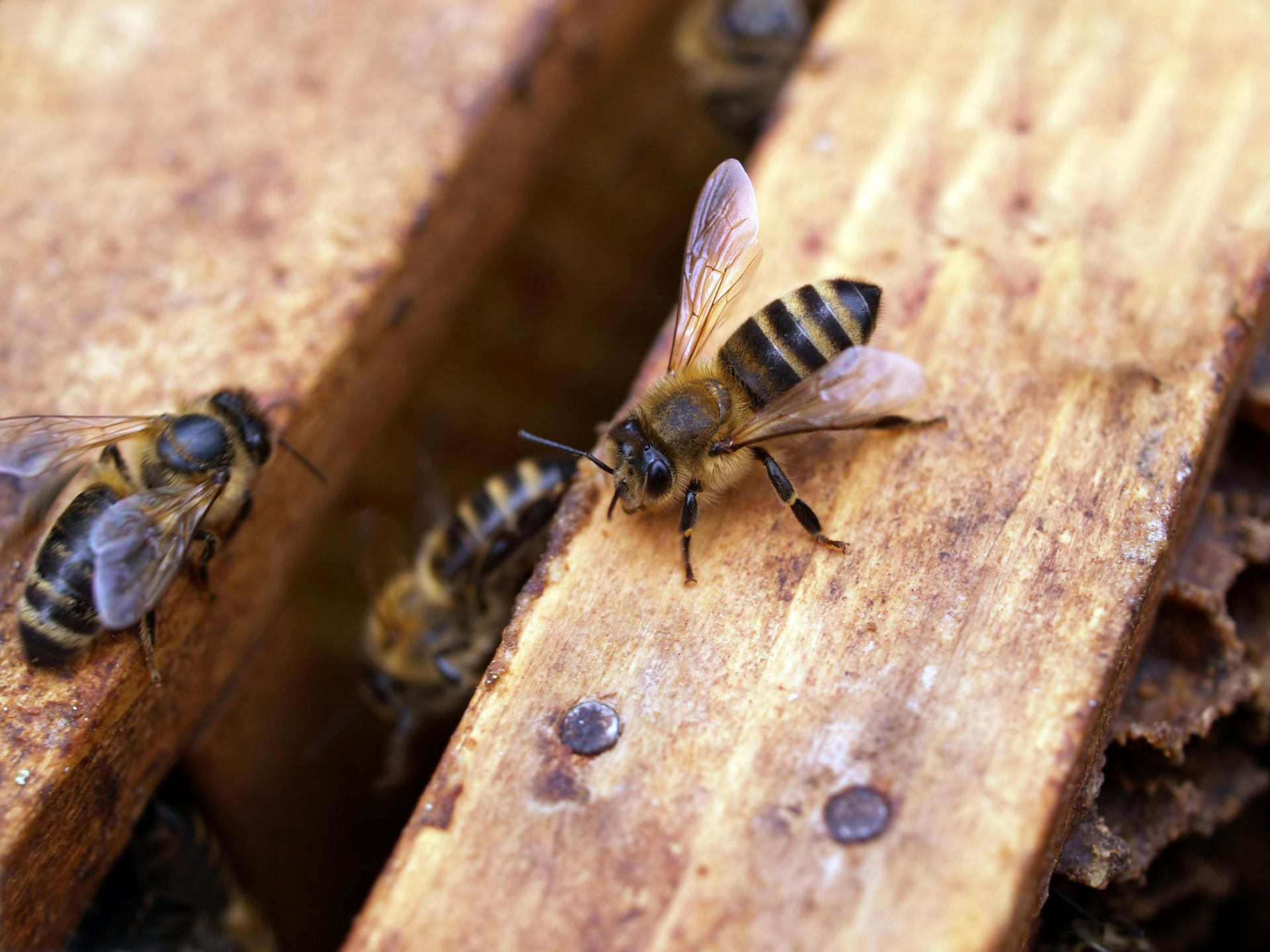
Bees generally have hairy bodies and two pairs of wings. They are often striped with black and yellow or amber.
- Fuzzy or hairy bodies
- Two pairs of wings
- Pollen baskets on hind legs
- Stinger (in females)
Image Gallery
Behavior & Habitat
Social bees like honeybees and bumblebees live in colonies, while solitary bees live alone. They aggressively defend their nests if threatened.
Common Hiding Spots
- • Wall voids
- • Attics
- • Under eaves
- • Hollow trees
- • Ground burrows
How They Spread
- • Swarming to find new nest sites
- • Attracted to sweet smells
- • Seeking sheltered areas
Life Cycle
Like ants, bees undergo complete metamorphosis.
1. Egg
Laid by the queen in honeycomb cells.
2. Larva
Fed royal jelly and pollen by worker bees.
3. Pupa
Develops inside a capped cell.
4. Adult
Emerges fully formed to take on colony duties.
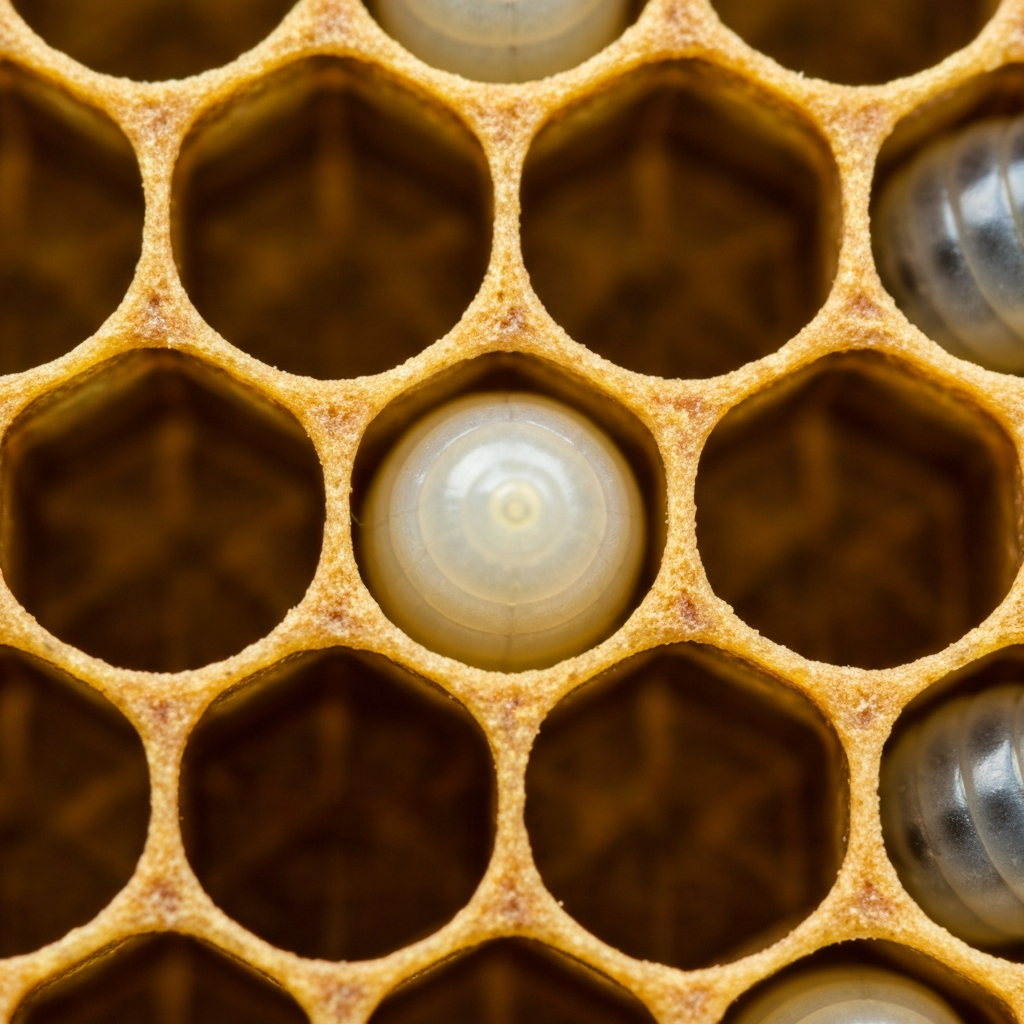
Egg Stage
Signs of Infestation
Swarming
Large groups of bees flying together.
Nests
Visible honeycombs or ground burrows.
Buzzing Sounds
Loud humming inside walls or attics.
Prevention Tips
Seal gaps in exterior walls and eaves.
Remove hollow logs and debris from the yard.
Avoid leaving sweet foods or drinks outside.
Call professionals for safe hive removal.
Ready to Get Rid of Bees?
Contact Rye Pest Solutions today for a thorough inspection and effective treatment plan. Don't let the problem multiply.