
Mice
Mus musculus
House mice are small rodents that commonly invade homes in search of food and shelter. They can cause property damage by chewing wires and contaminate food.

On This Page
Jump To Section:

Danger Level: High
Mice spread diseases like Salmonella and Hantavirus through their droppings and urine. Their chewing can also cause electrical fires.

Activity: Nocturnal
Primarily active at night, scurrying behind walls and under floors to forage.
Appearance
Mice have small, slender bodies, large ears, and long, mostly hairless tails. They are typically dusty gray or light brown.
- Small body (2.5 to 3.75 inches long)
- Large ears relative to head size
- Pointed snout
- Long, thin tail
Image Gallery
Behavior & Habitat
Mice are curious but cautious. They constantly gnaw on materials to keep their teeth sharp and squeeze through openings as small as a dime.
Common Hiding Spots
- • Inside wall voids
- • Attics and basements
- • Behind large appliances
- • In cluttered storage areas
How They Spread
- • Squeezing through tiny cracks in foundations
- • Following utility lines indoors
- • Seeking warmth during fall and winter
Life Cycle
Mice reproduce incredibly fast, which is why infestations can quickly get out of hand.
1. Gestation
Pregnancy lasts only 19-21 days.
2. Litter
Females can have 5-10 litters per year, with 5-6 young per litter.
3. Maturity
Mice reach sexual maturity in just 6-8 weeks.
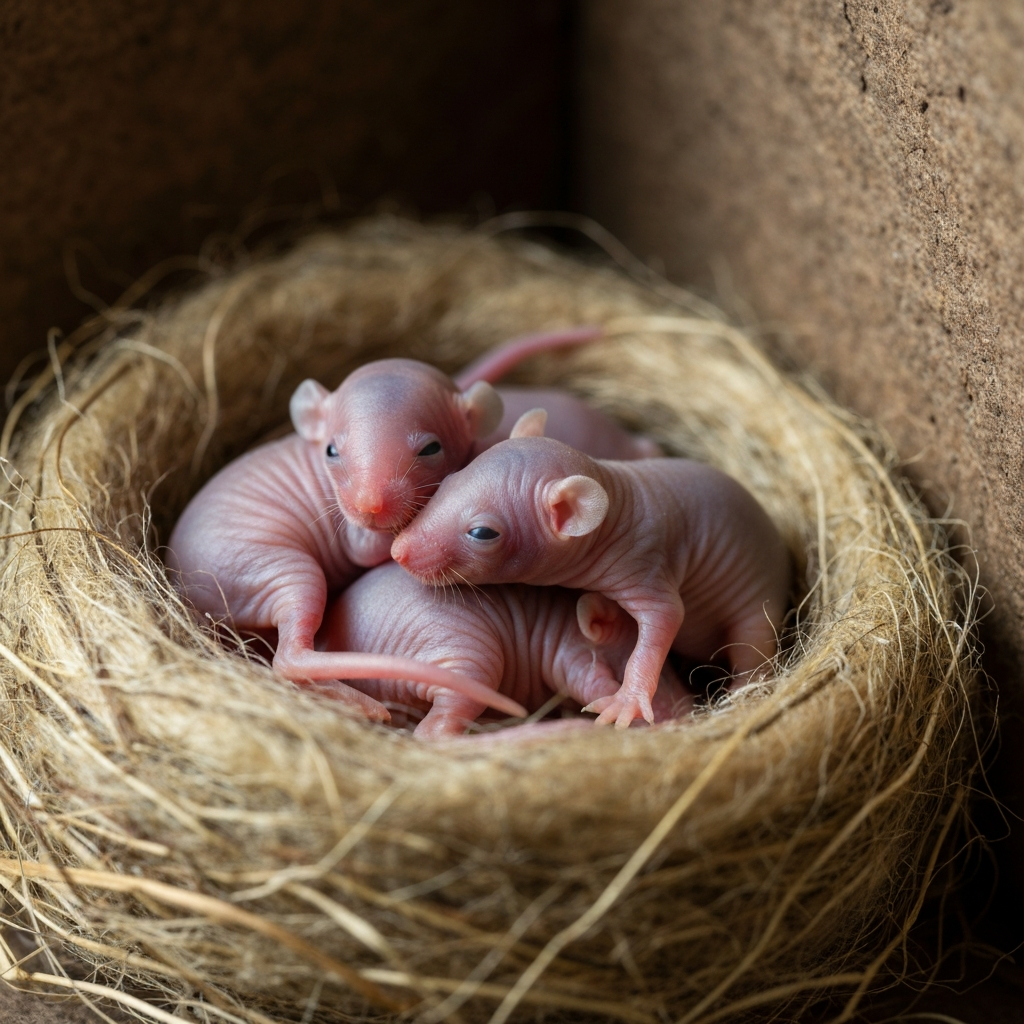
Gestation Stage
Signs of Infestation
Droppings
Small, rod-shaped pellets found in cabinets or along baseboards.
Gnaw Marks
Chewed wires, wood, or food packaging.
Scratching Noises
Sounds of scurrying or scratching in walls or ceilings at night.
Nests
Shredded paper, fabric, or insulation gathered in hidden corners.
Prevention Tips
Seal all cracks and holes in the exterior larger than a dime.
Store food in heavy plastic, glass, or metal containers.
Keep firewood stored away from the house.
Eliminate clutter in basements and attics.
Ready to Get Rid of Mice?
Contact Rye Pest Solutions today for a thorough inspection and effective treatment plan. Don't let the problem multiply.