
Spiders
Araneae
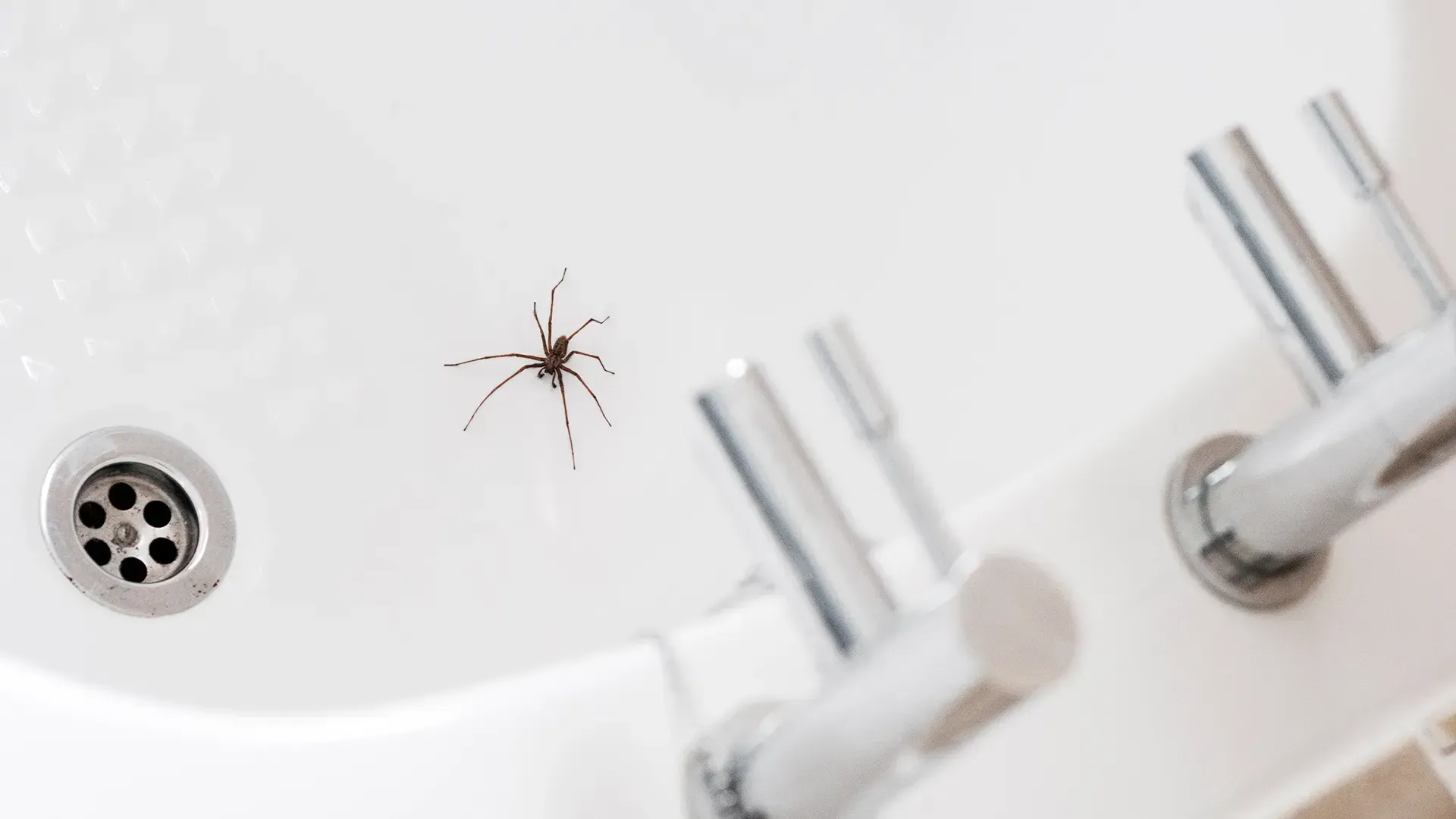
Spiders are arachnids with eight legs. While most are harmless and help control other insect populations, a few species can deliver painful or venomous bites.
On This Page
Jump To Section:

Danger Level: Low to Moderate
Most house spiders are harmless. However, species like the Black Widow or Brown Recluse pose significant health risks.

Activity: Nocturnal
Many spiders are active at night, spinning webs or hunting for prey in dark, quiet areas.
Appearance
Spiders have two main body parts (cephalothorax and abdomen), eight legs, and no antennae. They range widely in size, color, and shape.
- Eight legs
- Two body segments
- Multiple eyes (usually eight)
- Fangs and venom glands
Image Gallery
Behavior & Habitat
Spiders are predatory, feeding on insects. They prefer dark, undisturbed areas to build webs or hunt.
Common Hiding Spots
- • Basements and attics
- • Corners of ceilings
- • Closets and storage boxes
- • Under furniture
- • In woodpiles
How They Spread
- • Entering through open windows/doors
- • Hitchhiking on firewood or boxes
- • Seeking shelter from cold weather
Life Cycle
Spiders hatch from eggs and undergo incomplete metamorphosis.
1. Egg
Laid in silken egg sacs containing hundreds of eggs.
2. Spiderling
Miniature versions of adults that disperse by 'ballooning' on silk threads.
3. Adult
Fully mature spiders capable of reproduction.
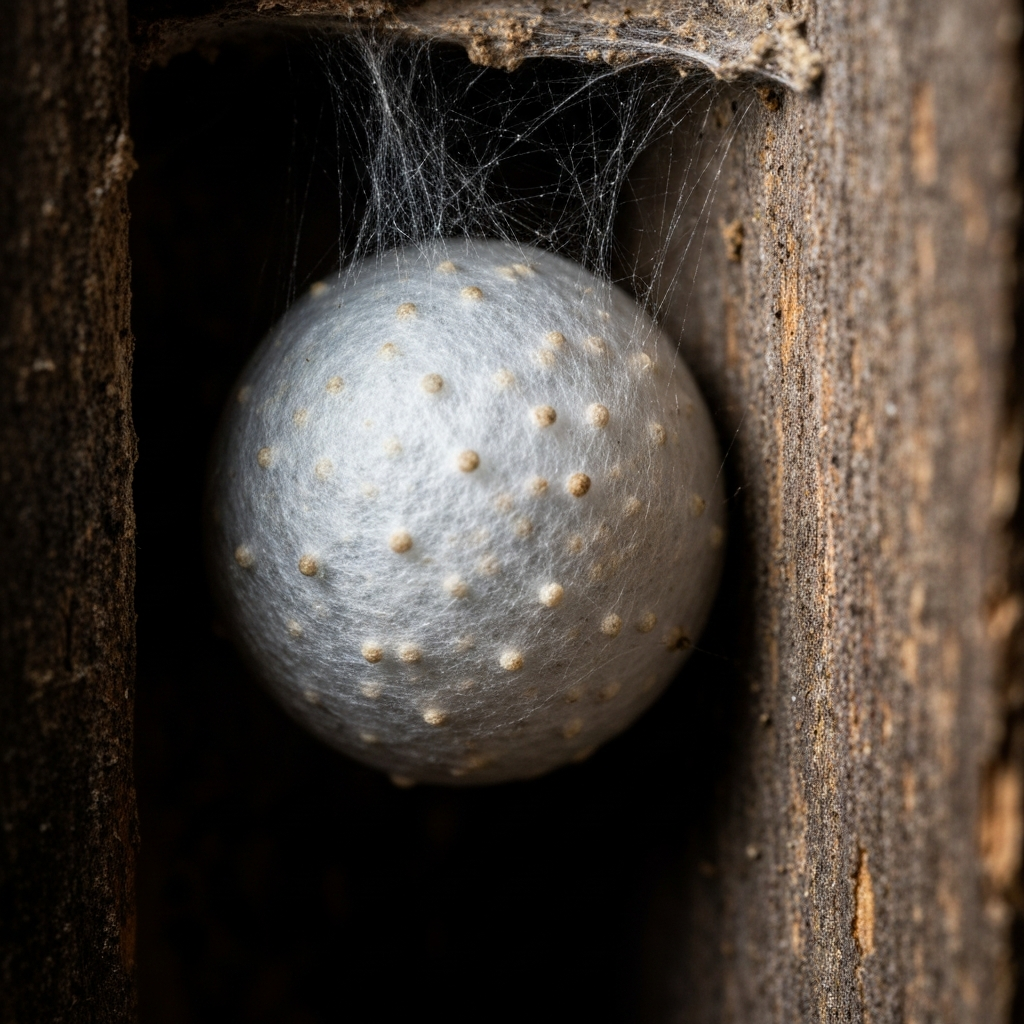
Egg Stage
Signs of Infestation
Webs
Cobwebs in corners, windows, or undisturbed areas.
Egg Sacs
Silken balls hidden in webs or dark corners.
Live Spiders
Spotting spiders crawling on walls or floors.
Prevention Tips
Regularly vacuum corners, ceilings, and under furniture.
Reduce clutter in basements and attics.
Keep firewood stored away from the house.
Seal cracks around windows and doors to prevent entry.
Ready to Get Rid of Spiders?
Contact Rye Pest Solutions today for a thorough inspection and effective treatment plan. Don't let the problem multiply.